Written by Adhiraaj Anand
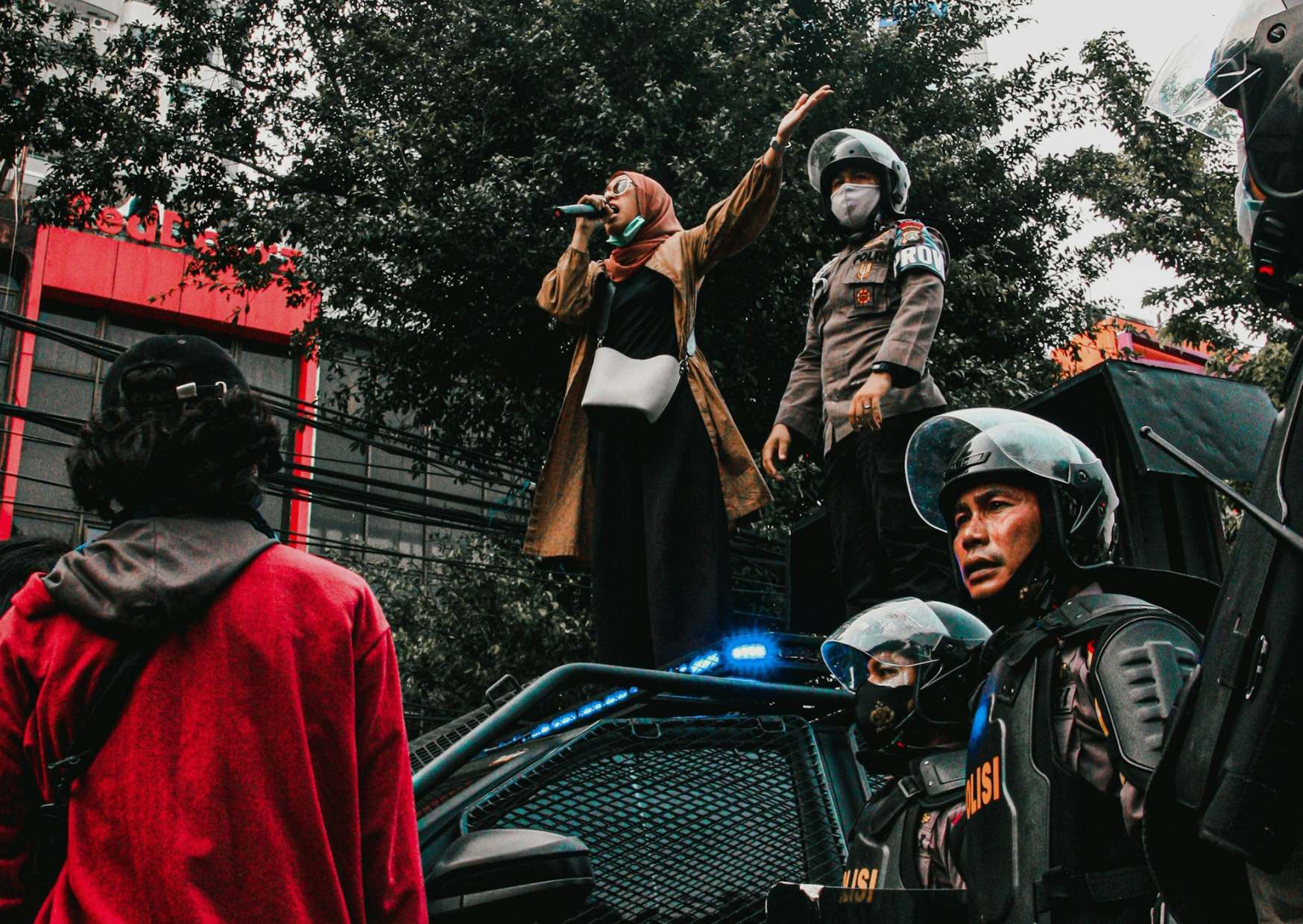
Deeper and more sustained transnational exchanges could foster new regional identities and solidarities between national protest movements, as well as increase their resilience and capacity for innovation.
Read MoreWritten by Adhiraaj Anand
Deeper and more sustained transnational exchanges could foster new regional identities and solidarities between national protest movements, as well as increase their resilience and capacity for innovation.
Read MoreWritten by Yatana Yamahata
Solidarity among Southeast Asians has strengthened pro-democracy movements across the region and, in doing so, fostered a sense of shared regional identity. ASEAN, however, does not mirror nor reinforce this solidarity. Instead, it remains constrained by its founding principle of non-interference.
Read MoreWritten by Amit Ranjan
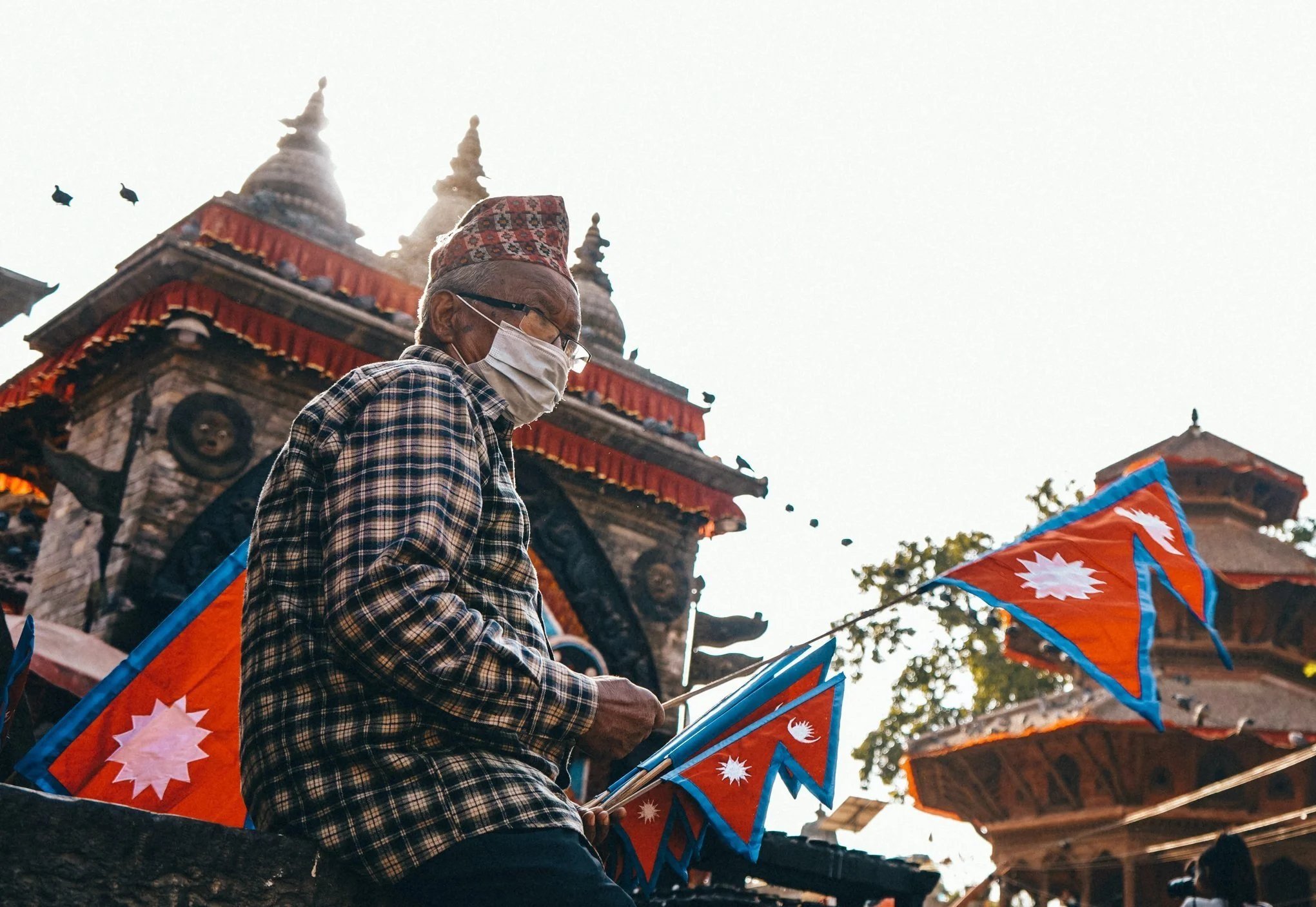
Many Nepalese are frustrated and disenchanted with the current political situation and poor government performance. But returning to a constitutional monarchy would be a regressive, authoritarian step, not a path toward democracy.
Read MoreWritten by Dr Rishi Gupta
Nepal has reportedly conveyed that it would prefer to receive more grants from China instead of taking high-interest loans under the development partnership, including for BRI projects.
Read MoreWritten by Mae Chow and Shakthi De Silva
Ultimately, Bangladesh's ability to maintain constructive engagements with China and India will not only shape its own future trajectory but also contribute significantly to the stability and prosperity of the broader Indo-Pacific region.
Read MoreWritten by Manish Jung Pulami
The pro-monarchy protests are a reminder that Nepal’s democratic journey is far from over. While the monarchy may be a relic of the past, the underlying grievances that fuelled the latest protests remain relevant today.
Read MoreWritten by Eve Register
It will be important for BIMSTEC to learn from the mistakes of the BRI if it is to work as a viable alternative for countries in the Bay of Bengal region.
Read MoreWritten by Bhumika Sevkani
The development of these seaports is particularly crucial for the smaller landlocked countries of South Asia such as Nepal and Bhutan.
Read MoreWritten by Bhumika Sharma
Given the lack of international consensus, a unique opportunity exists for India to address the protection gap in South Asia’s policy regime for climate migrants.
Read MoreIn 2022, 9DASHLINE had the pleasure of speaking with the authors of several insightful books, with topics ranging from the current US-China strategic competition to the history of mountain communities in Nepal. Here we present some of our most thought-provoking In Conversation interviews of the past year.
Read MoreWritten by Apoorva Jain
South Asia is increasingly facing threats from natural, technological, and complex disasters. Meanwhile, coordination failure is turning natural disasters into catastrophes. Disaster aid and relief can be an effective diplomatic tool in the region.
Read MoreWritten by Manali Kumar
South Asian countries would do well to finally set aside their mutual animosities and start developing transnational and regional mechanisms to adapt to climate change and recover from disasters.
Read More9DASHLINE recently sat down with Amish Raj Mulmi to discuss his new book All Roads Lead North: China, Nepal and the Contest for the Himalayas.
Read MoreWritten by Indrajit Roy
Of the 141 countries that condemned Russia’s invasion of Ukraine, over 90 are from the Global South. Criticisms of Russia are thus not confined to European or North American countries.
Read MoreWritten by Aditi Mukund and Sanya Saroha
Policymakers across the Asia-Pacific region must work towards adopting gender mainstreaming principles. A feminist perspective, which advocates for including all marginalised groups, is necessary for fully transformative outcomes in the Indo-Pacific’s future, and an economic recovery must make provisions for women as stakeholders.
Read MoreWritten by Chirayu Thakkar
Expats interested in returning to their roots are important tourists to places of religious and cultural significance. The inbound remittances and heritage tourism support both states as well as the centre.
Read MoreWritten by Constantino Xavier and Nitika Nayar
As the region’s predominant power with a history of interventionism, India’s sub-national missions must be able to balance their sub-national outreach, especially to minority groups, with the security concerns of the host country’s central authorities.
Read MoreWritten by Ambika Vishwanath
It is imperative that Bangladesh, China and India cooperate on the multitude of weather and climate-related issues that will continue to affect the eastern Himalayan region and work with Bhutan and Nepal to create a formal disaster mitigation and management organisation.
Read More