Written by Adhiraaj Anand
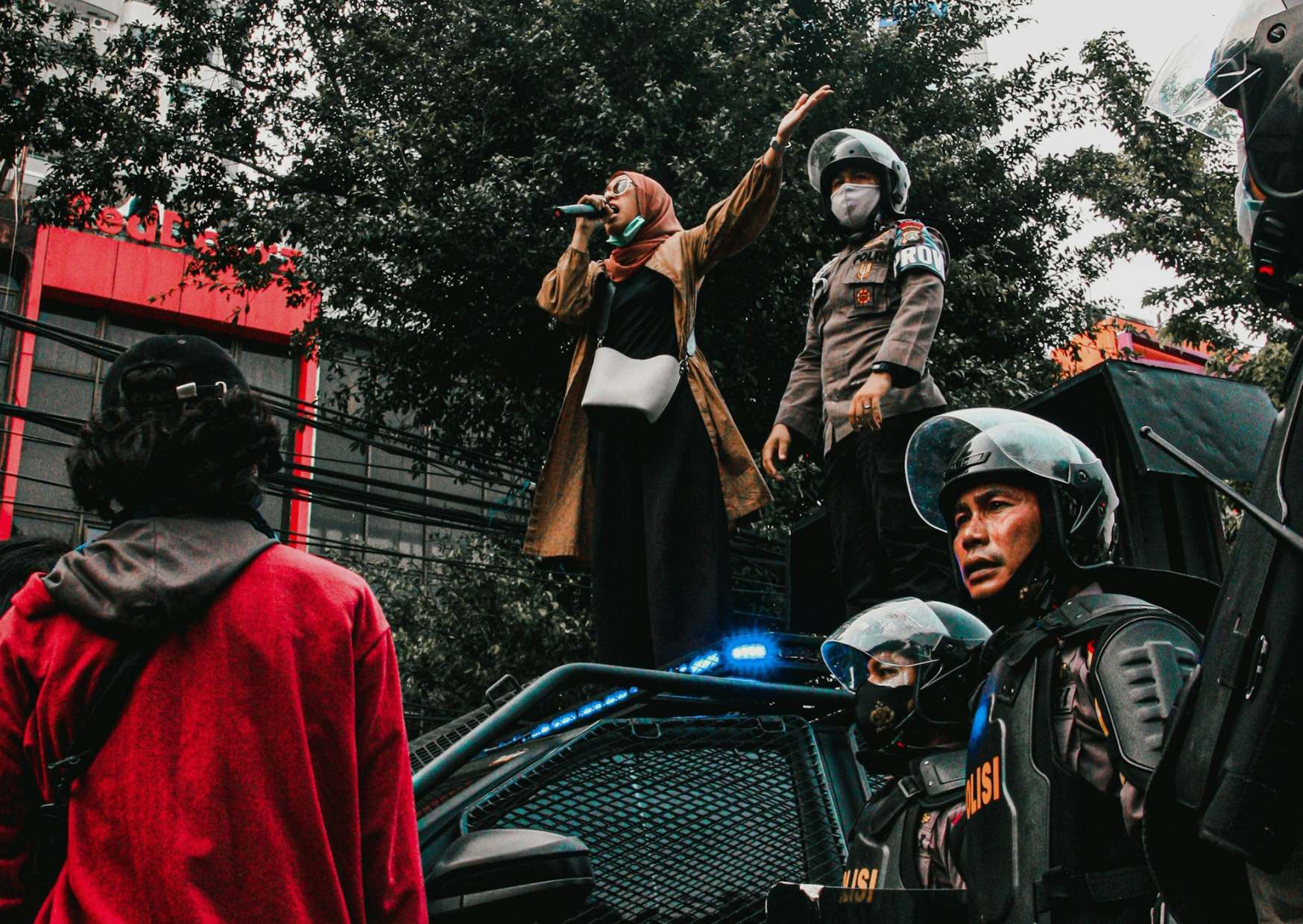
Deeper and more sustained transnational exchanges could foster new regional identities and solidarities between national protest movements, as well as increase their resilience and capacity for innovation.
Read MoreWritten by Adhiraaj Anand
Deeper and more sustained transnational exchanges could foster new regional identities and solidarities between national protest movements, as well as increase their resilience and capacity for innovation.
Read MoreWritten by Taufiq E. Faruque and Rubiat Saimum
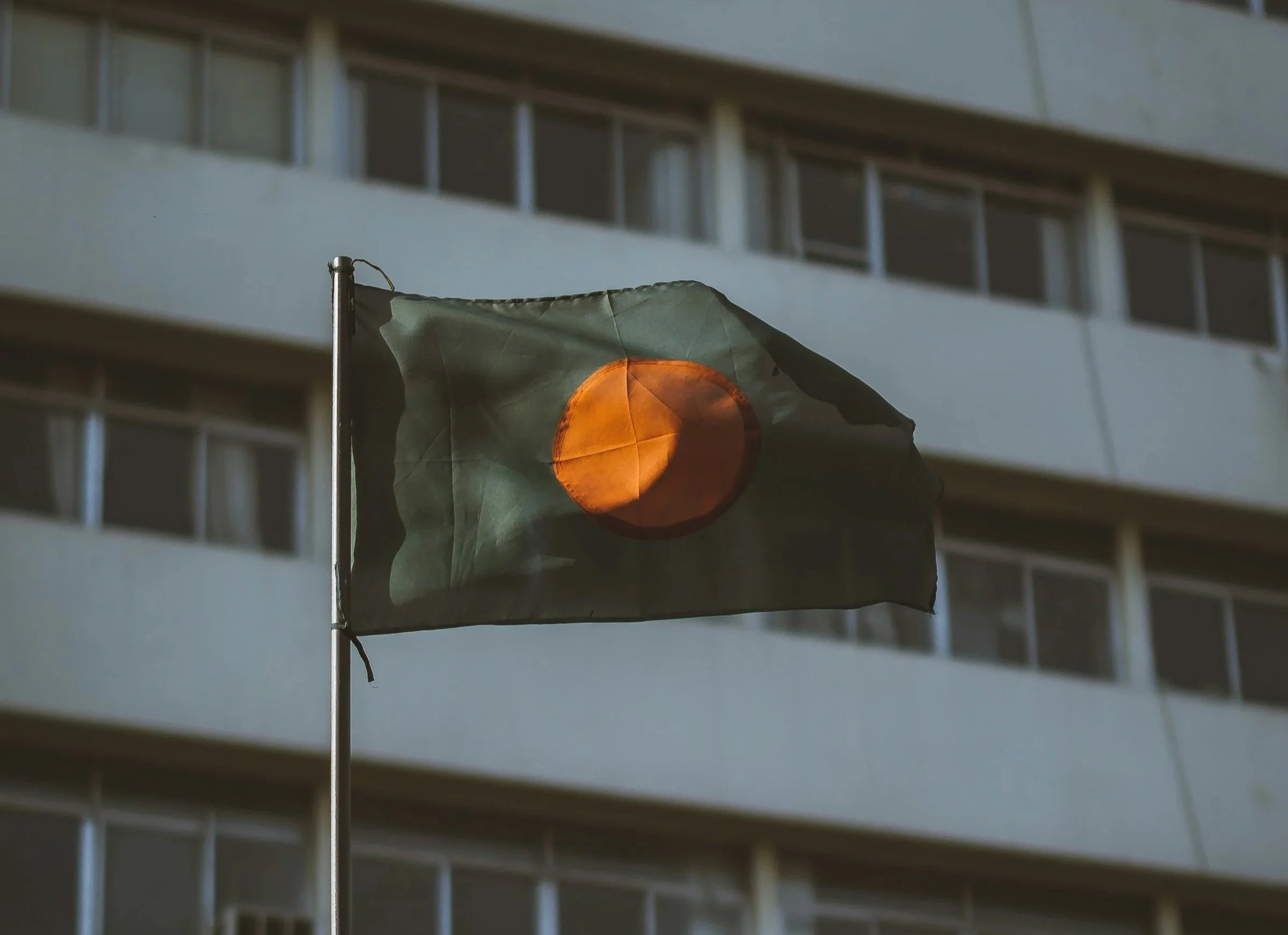
Bangladesh no longer intends to operate as a peripheral state within an India-centric security order in South Asia, but as a globally connected security actor seeking to maximise strategic autonomy over its procurement choices, maritime posture, and regional role.
Read MoreThis month’s briefs examine an Indo-Pacific shaped by hybrid insecurity: as the United States retreats from development leadership, middle powers step in to fill the void, while escalating climate disasters are redefining resilience, influence, and regional power.
Join our briefing today and stay ahead of the curve.
Read MoreThis month’s features explore twin fragmentations reshaping the Indo-Pacific: the quiet construction of a north–south undersea security arc as South Korea joins Australia on the path to nuclear-powered submarines, and the near-collapse of COP30, which exposed a deepening crisis of trust at the heart of global climate governance.
Join our briefing today and stay ahead of the curve.
Read MoreWritten by Khandakar Tahmid Rejwan
Bangladesh’s historical pro-India stance under Hasina is likely to diminish under the new interim administration due to Touhid’s critical views on India over issues like alleged border killings and the need to balance geopolitical partners.
Read MoreWritten by Mae Chow and Shakthi De Silva
Ultimately, Bangladesh's ability to maintain constructive engagements with China and India will not only shape its own future trajectory but also contribute significantly to the stability and prosperity of the broader Indo-Pacific region.
Read MoreWritten by David Hutt
Much of the coverage of Southeast Asia’s drug wars has focused on the drug warriors themselves. But if, as experts say, populist politicians regard drug wars as an easy way to capture votes, perhaps the problem lies first with society, not with politics.
Read MoreWritten by Anuttama Banerji
Overt criticism of Bangladesh within Indian quarters has provided ammunition to ultra-right religious groups in Bangladesh who have been fanning anti-India sentiment.
Read More